Celebrating the 40th Anniversary TACL Legacy of Services Award Honorees: Ho Chie Tsai & Yingka Chou
As the Taiwanese American Citizens League (TACL) marks its 40th Anniversary, we are proud to celebrate not only the milestones of our organization but also the individuals whose dedication has built the foundation for our success. This year, we honor two extraordinary community leaders with the TACL Legacy of Services Award: Ho Chie Tsai and Yingka Chou.
The Legacy of Services Award recognizes those whose decades of leadership, vision, and commitment have left a lasting impact on our community. Both Ho Chie and Yingka exemplify the spirit of service and the values that continue to guide TACL into the future.
Honoring Ho Chie Tsai – TACL Legacy of Services Award
For more than 20 years, Ho Chie Tsai has been a cornerstone of the Taiwanese American community. In 2006, he founded TaiwaneseAmerican.org, a pioneering platform that continues to amplify voices, share stories, and celebrate Taiwanese American identity. He also co-founded Taiwanese American Professional San Francisco Chapter (TAP-SF), served as a counselor for Leading Youth Forward (TACL-LYF) summer camp, and is a frequent motivational speaker for youth audiences nationwide.
His dedication to youth leadership development runs deep, from his early activism in college to his service as program director of Taiwanese American youth camps in the Midwest and East Coast, and as the immediate past president of the Taiwanese American Foundation. Through his vision and tireless efforts, Ho Chie has empowered countless young people, celebrated cultural pride, and strengthened the bonds of our growing community.
Honoring Yingka Chou – TACL Legacy of Services Award
Yingka Chou has dedicated 30 years of service to the Taiwanese American community through her leadership roles with Leadership Identity Development (TACL-LID) summer camp, Taiwanese American Professionals Los Angeles Chapter (TAP-LA), and the Taiwanese American Citizens League (TACL) National Board. She is widely respected not only for her professional success as founder of Master Plans Events & Designs, a full-service company specializing in high-end weddings, social events, and celebrity galas, but also for her generosity in mentoring new board members and training leaders in event planning.
Yingka’s talents have also shaped TACL’s own history. As a key contributor to our 25th, 30th, and now 40th Anniversary Galas, she has combined creativity, planning expertise, and a passion for community to create unforgettable celebrations. Her leadership has strengthened cultural pride, brought people together, and empowered the next generation of Taiwanese American leaders.
Together, Ho Chie Tsai and Yingka Chou embody the spirit of TACL’s mission—uplifting youth, building leaders, preserving cultural identity, and creating spaces where our community can thrive. Their decades of service remind us that our progress is made possible by those who selflessly give their time, vision, and talents to others.
As we celebrate 40 years of TACL’s history, we are honored to recognize both Ho Chie and Yingka with the TACL Legacy of Services Award. Their legacies continue to inspire us all to lead with passion, serve with purpose, and carry our community forward for generations to come.
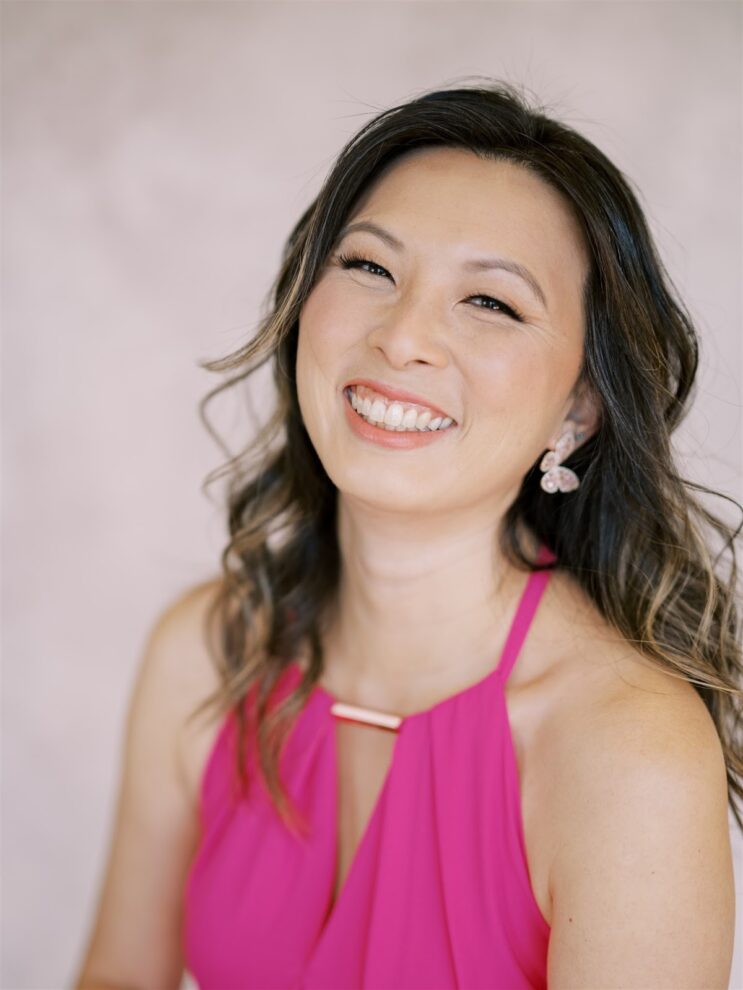
Pictured: Yingka Chou
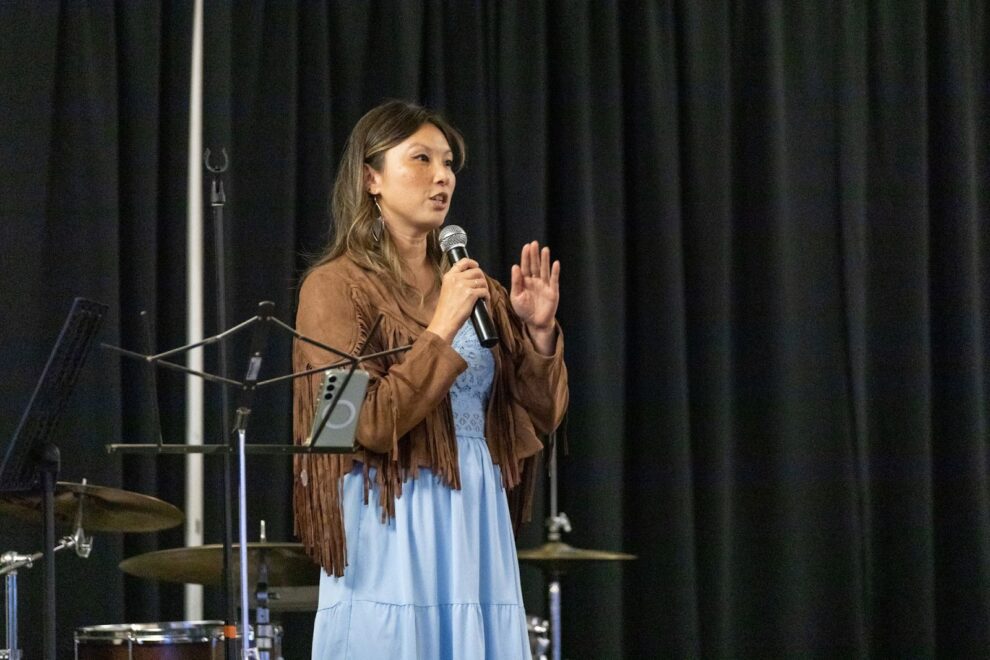
Pictured: Yingka Chou
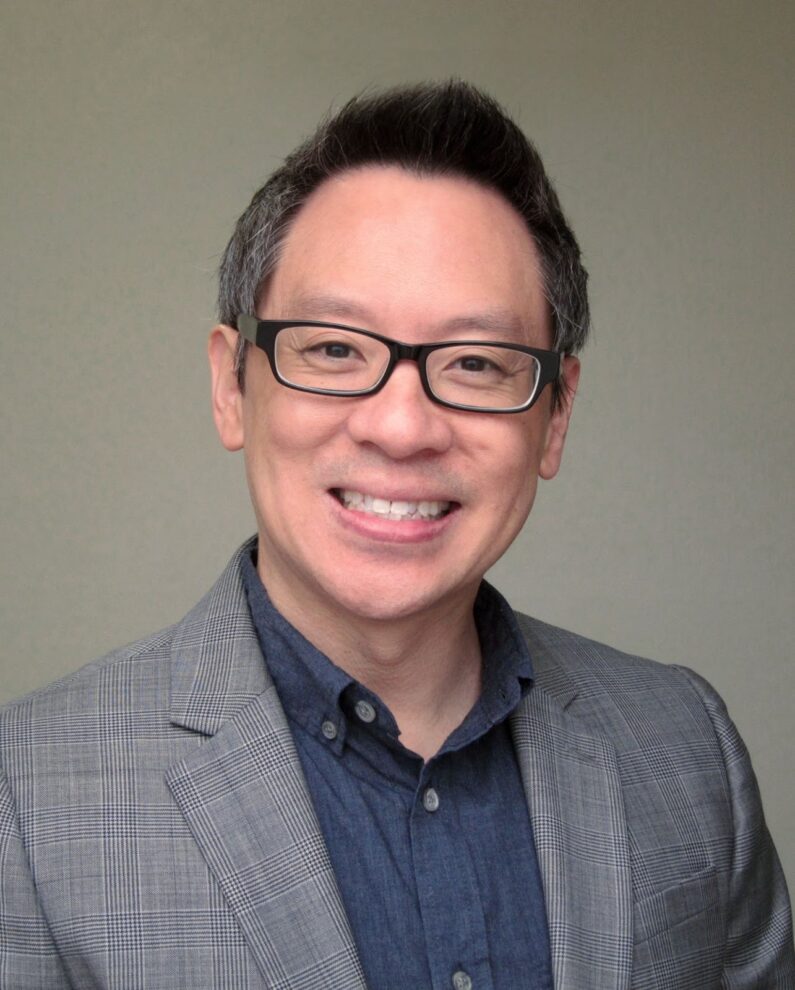
Pictured: Ho Chie Tsai
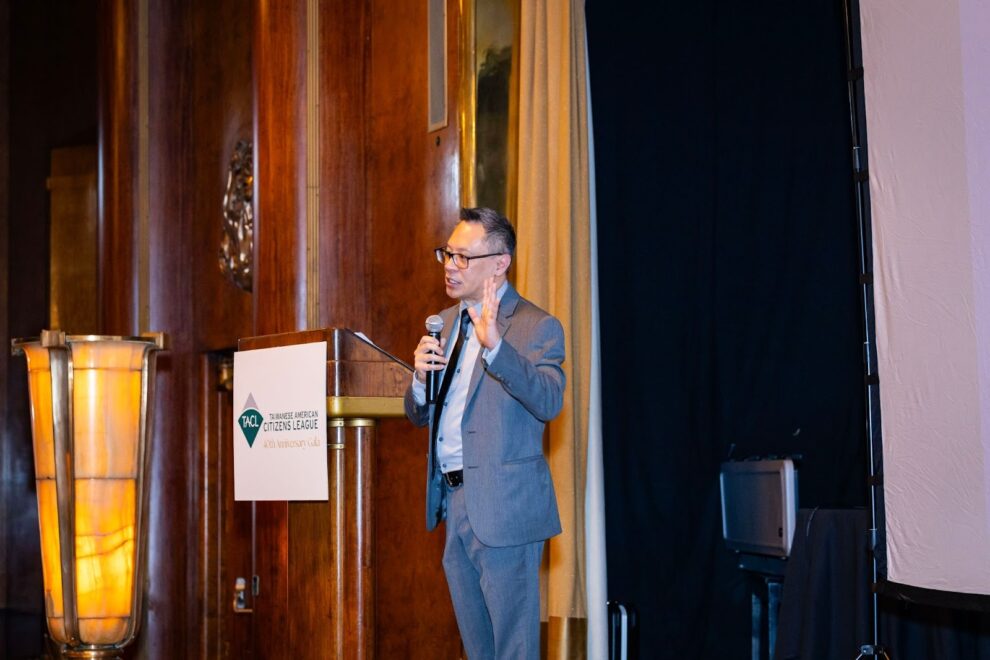
Pictured: Ho Chie Tsai
UNITED STATES, 2025
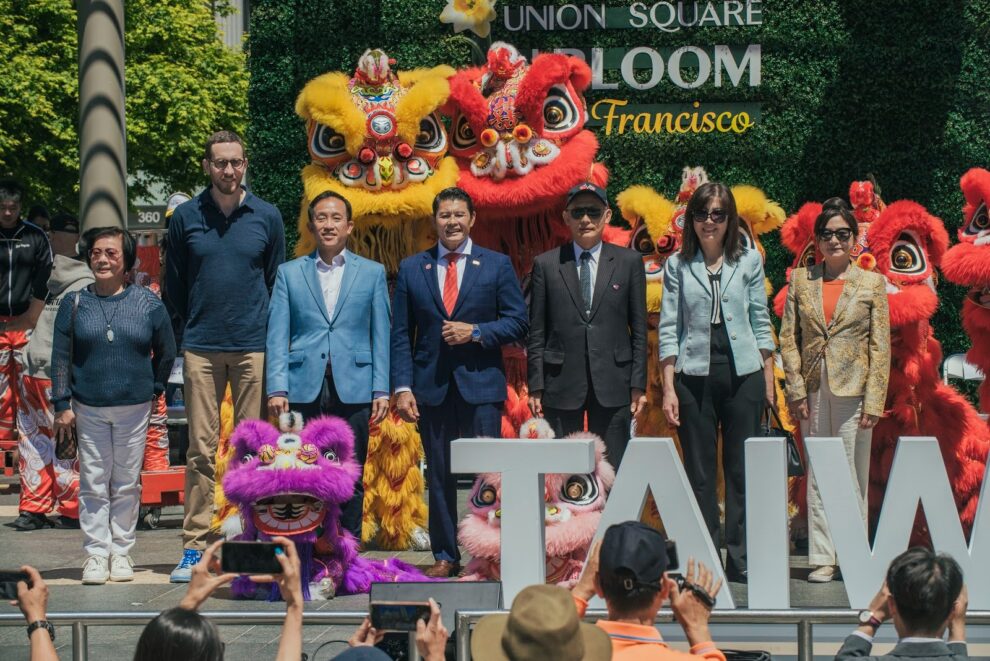
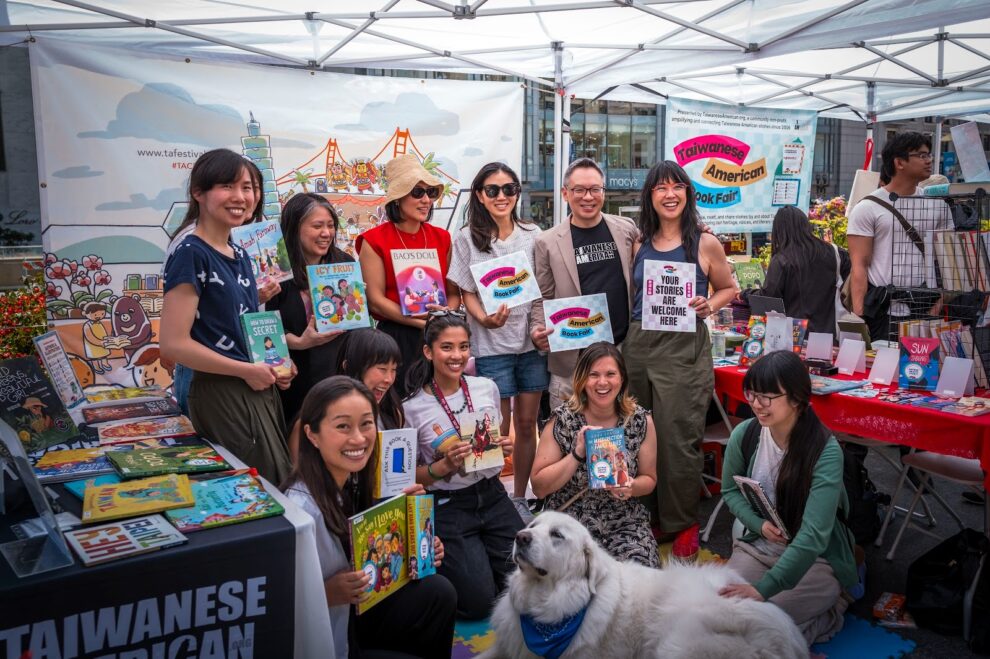
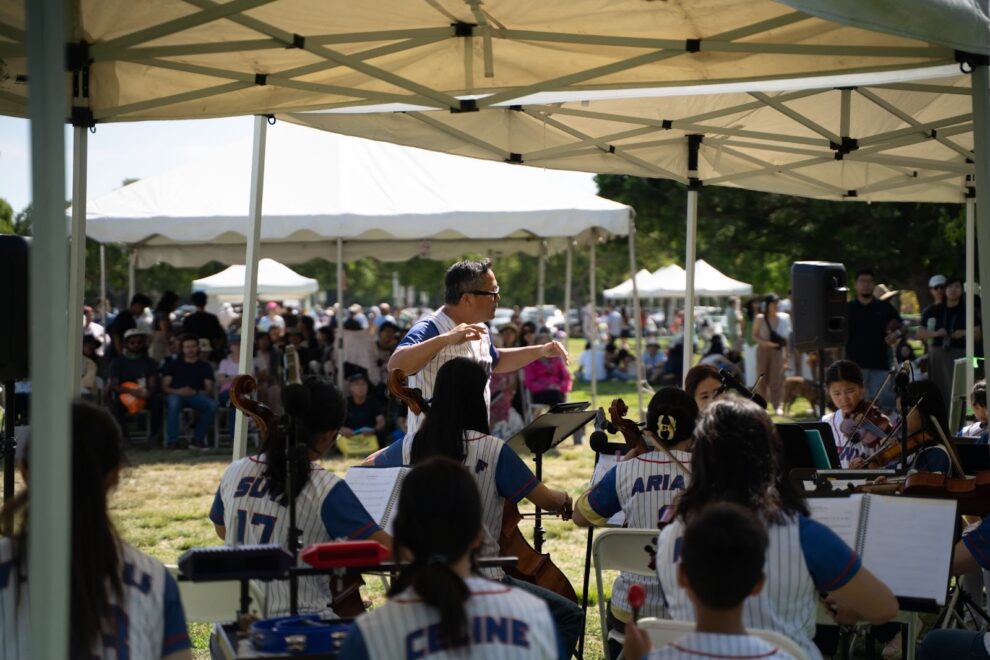
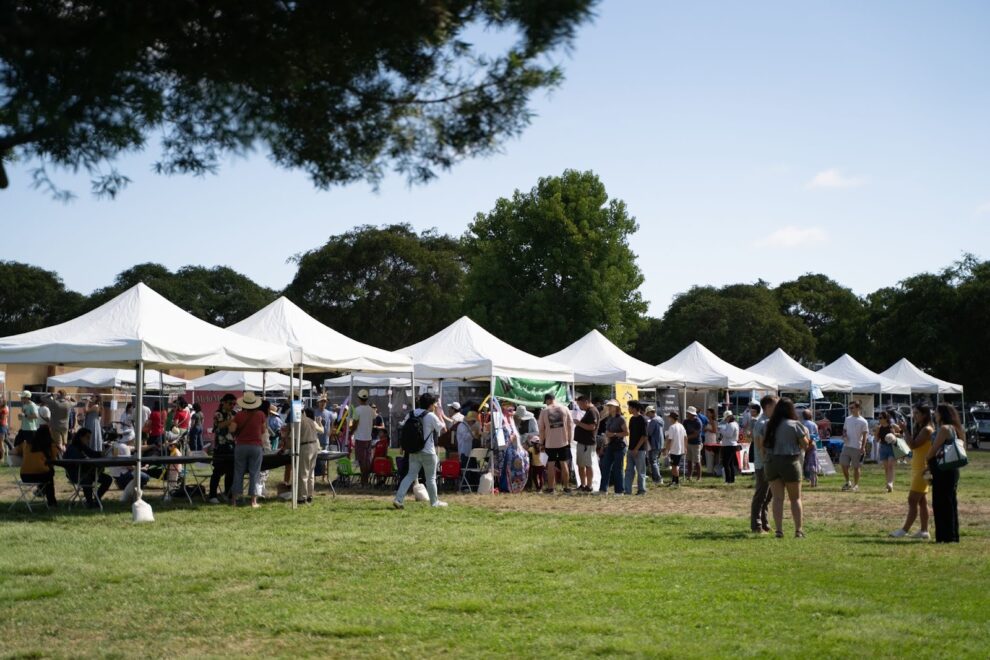
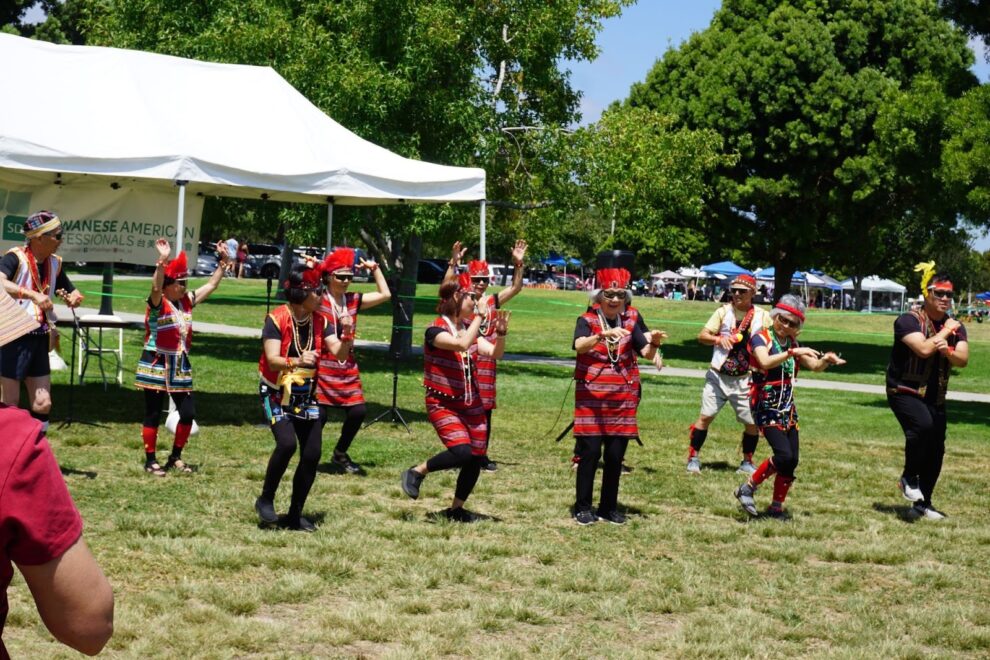
Throughout 2025, the Taiwanese American Citizens League (TACL)’s local communities advanced our mission of improving the quality of life of Taiwanese Americans. We do so collectively by putting on programs that prioritize cultural preservation, civic engagement, and Taiwanese American visibility through coordinated festivals in Atlanta, San Francisco, San Diego, and Los Angeles.
Across four major metropolitan regions, 2025 festival efforts welcomed an estimated total of 20,000 attendees, powered by more than 200 volunteers and staff, and amplified through strong digital and civic engagement nationwide.
Taiwanese American Professionals – Atlanta (TAP-ATL): Taiwanese Heritage Showcase (2025)
The Atlanta showcase welcomed 800+ attendees, featured 26 vendors and community booths, and was supported by approximately 40 volunteers and staff.
Distinguished guests included representatives from the Taipei Economic and Cultural Office in Atlanta, Doraville Mayor Joseph Geierman, and Georgia State Senator Michael Rhett, who presented the Georgia Senate Taiwan Resolution recognizing Taiwan–Georgia friendship.
The headline performance, “Amazing Taiwan,” by the National Taiwan University of Sport cultural delegation generated strong audience response and contributed to 25,000 social media impressions during the promotion period.
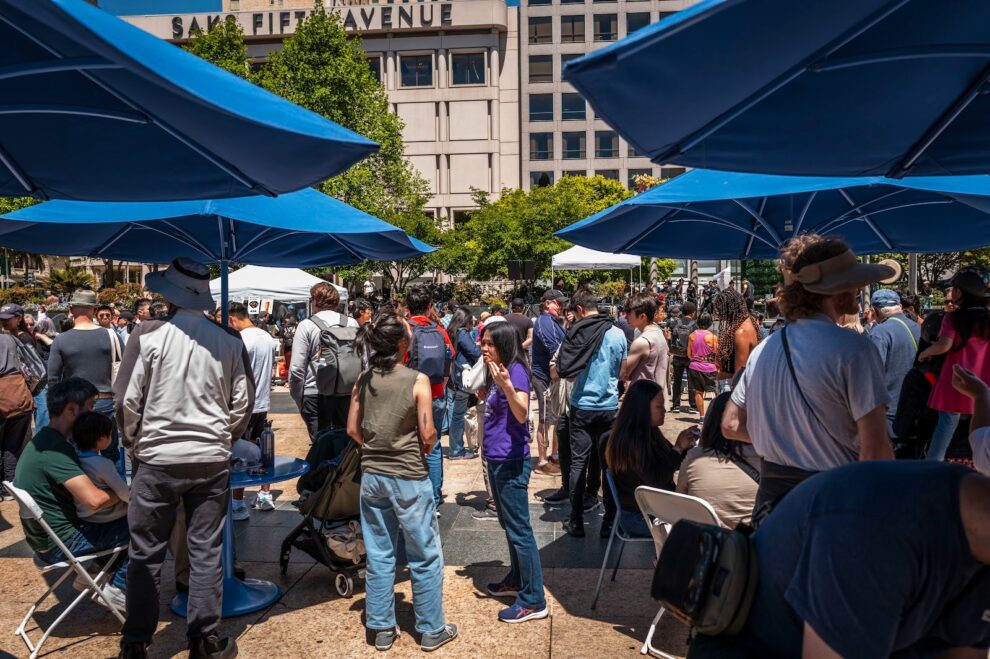
Taiwanese American Professionals – San Francisco (TAP-SF): Taiwanese American Cultural Festival (2025)
San Francisco recorded the largest single-city turnout in 2025, welcoming 8,000+ attendees, supported by approximately 85 volunteers and staff. The festival was held in partnership with the Taipei Economic and Cultural Office in San Francisco and the Overseas Community Affairs Council (OCAC) SF.
The festival’s marketing campaign demonstrated strong regional and digital reach, generating over 50,000 Instagram views, more than 21,000 website page views, and thousands of additional engagements across Facebook and paid promotions. Notably, a majority of online discovery came from non-followers, reflecting successful outreach beyond the existing Taiwanese American community and expanding broader public awareness.
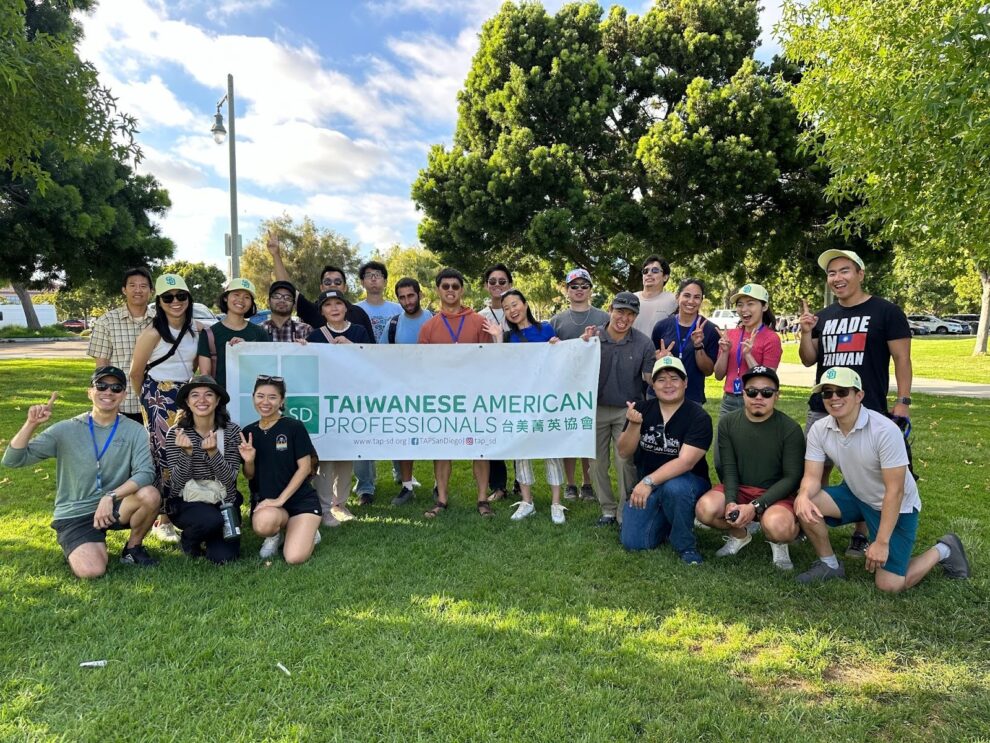
Taiwanese American Professionals – San Diego (TAP-SD): Taiwanese Festival (2025)
San Diego welcomed 1,500+ attendees, supported by 59 volunteers and 16 staff. Performances included TILT Shift Dance, San Diego Taiwanese Cultural Association, Formosa Generation Family Chamber Music, and the San Diego Taiwanese Family Chorale.
Key partners included the UCSD Center for Taiwan Studies, the Overseas Community Affairs Council (OCAC) SD, Formosa Association of Student Cultural Ambassadors – San Diego, Taiwanese American Foundation of San Diego, and the Taichung City Government.
A major civic milestone was the official City Proclamation recognizing San Diego Taiwan Festival Day, presented by Council President Pro Tem Kent Lee. Word-of-mouth emerged as a primary attendance driver, and the event received additional visibility through an OCAC feature article and independent digital media coverage.
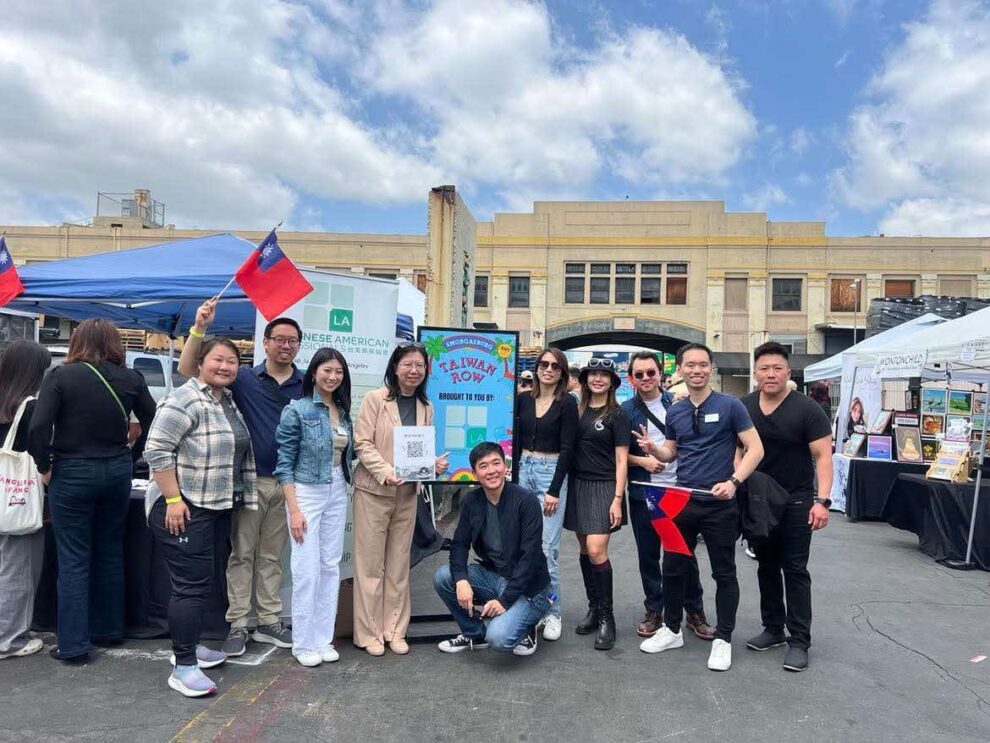
Taiwanese American Professionals – Los Angeles (TAP-LA): Taiwan Row at Smorgasburg & AAPI LA Day (2025)
In Los Angeles, TAP-LA partnered with Smorgasburg Los Angeles and AAPI LA Day to curate Taiwan Row within a major citywide cultural platform.
The activation with the local AAPI community reached an estimated 5,000–7,000 attendees and was supported by 13 dedicated volunteers. Taiwan Row sponsors included Overseas Community Affairs Council (OCAC) LA and the Taiwanese United Fund (TUF), helping elevate Taiwanese culture within a broader AAPI culture celebration.
2025 Nationwide Impact Summary
Across San Diego, Atlanta, Los Angeles, and San Francisco, the TACL communities achieved:
- 20,000+ total in-person attendees
- 200+ volunteers and staff engaged
- Strong civic recognition across multiple cities
- Significant cross-platform digital engagement
- Deepened partnerships with government, academic, and community institutions
Together, these festivals reflect a locally led, nationally connected model that continues to expand Taiwanese American cultural visibility and foster meaningful community engagement across the United States.
Special Thank You
OCAC (Overseas Community Affairs Council, Taiwan) in Atlanta, San Francisco, San Diego, Los Angeles, TECO in Atlanta, San Francisco, San Diego, Los Angeles, Taiwanese United Fund, TaiwaneseAmerican.org, Wu & Chen Law Firm, Bridge Investment Group, IW Group, Lucky Star, Formosan Association for Public Affairs – Atlanta, SEAESA (美東南玉山科技協會), Georgia Properties Consultants, Hakka Association of Atlanta, Kevin Yang, Leapley, Mei Cheng (Berkshire Hathaway), Monarch Realty Partners, Song Hong Yen, Taiwanese Chamber of Commerce of Gainesville, The Awesome Team Foundation, Atlanta Taiwanese Association, OCAC Commissioners Chia-Hsin Chu & Mei-Mei Huang, Catherine Chang, Charlene Fang, Ching Wen Chuang, Darrent Suryatena, David Tsai, Ellen Fan, Evan Yen, George Chu, Ivy Kuo, James Gong, Jerry Chien, Jerry Wu, Karen Lupton, Kat Sun, Linda Cheng, Long Tran, Maggie, Ray Wang, Robert Patrick, Rosa Lin, Ruwa Romman, Ryan Cira, Nakia Robinson, Sean C., Southern Grower Inc., Sushi Ming, Terisa Buchanan, Ting Chiu, Tricia Lin, True Production, Weilun, Yu-Sheng Ou, Catching Mangoes Dance, TECO commissioners 陸復泰、丘引、呂志全、張崧軒, Taipei Xia-Hai City God Temple, TILT Shift Dance, SDTCA, Formosa Generation Family Chamber Music, San Diego Taiwanese Family Chorale, UC San Diego Center for Taiwan Studies, FAFSCA SD, Taiwanese American Community Center, Joy Chen Catering Group, Taichung City Government, Wushiland, Sprouting Smiles Pediatric Dentistry, Elite Endodontics of San Diego, Taiwanese Chamber of Commerce of San Diego, Ching & Seto Law Firm, Ching-Rong Cheng & Shu-Shen Chen, Bobalicious.
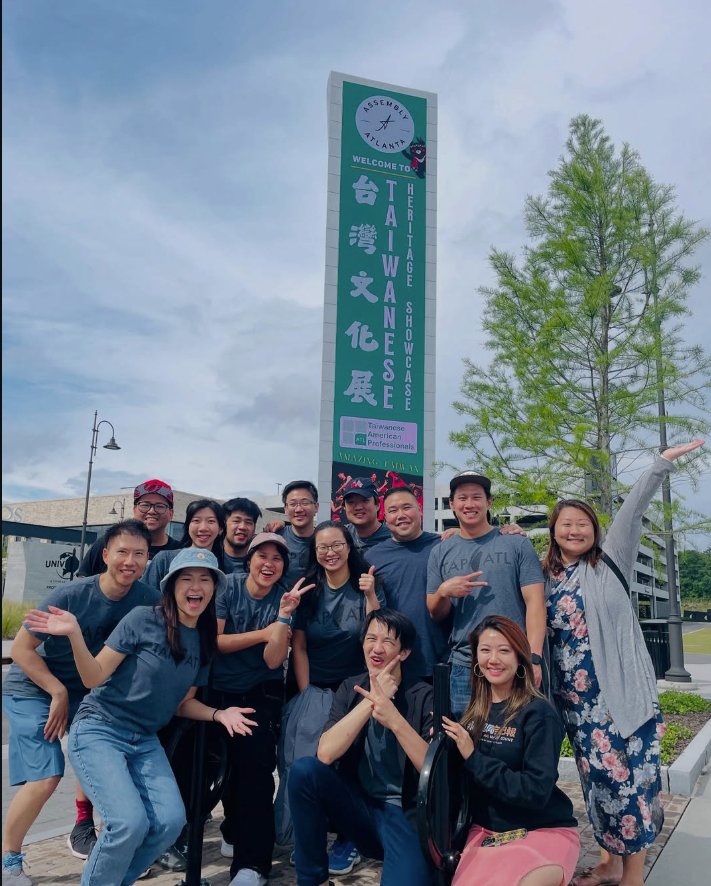
Taiwanese American Citizens League (TACL) and Taiwanese American Professionals Los Angeles (TAP-LA) are deeply heartbroken by the tragic incident at the 99 Ranch Market in Westwood that claimed the lives of three individuals and injured several others. We mourn alongside the families, friends, and neighbors affected by this heartbreaking event and extend our deepest condolences to those who lost loved ones including members of our Taiwanese American community as well as everyone else impacted.
During this difficult time, our organization stands in solidarity and remains committed to supporting those affected. We encourage anyone who may need emotional or emergency assistance to seek help through the resources below.
Resources:
English and Mandarin Help Hotline:
https://dmh.lacounty.gov/our-services/disaster-services/access-hotline
Southern California Taiwanese American Emergency Assistance Association (SCTAEAA)
南加州台美急難救助協會
Growing up, I noticed more and more of my peers telling me they were diagnosed with ADHD. I did not quite understand it at the time, other than the fact that they received more testing time and were placed in a separate room. Coming from an Asian household, I was raised to face challenges directly – if I was distracted, it was a mindset issue, so my tangible change was in adjusting my attitude. I assumed blaming ADHD was just an excuse for mental weakness. It was not until I had a roommate who explained her attention struggles from the way her brain worked without medication, that my beliefs shifted, and I began suspecting my sister also had unaddressed ADHD.
The first time I brought this possibility up to my parents, my mom brushed it off, saying my middle school-aged sister just had an “active, growing brain and that no medication should ever be relied on”. The second time was when my sister was a high school freshman, and my mom gave her a lecture, saying academics were a vital part of her life and she could not afford to miss major assignments and grades. It was brought up several more times when she did in fact miss these assignments and was nearly put on probation, despite her diligence. Only after her senior year did my parents finally relent in asking our pediatrician about a potential diagnosis at her annual checkup. When the physician asked questions to her privately, there were still two problems: 1) my sister was too old for the office to test or diagnose her so she would have to find a psychiatrist to do so, and 2) my sister herself did not acknowledge any of her own attention struggles. Although I had hoped for better, my sister has now started college, and our family is still in the conversation stage of finding a psychiatrist for her. Our whole family has had hesitancy in broaching the subject of mental health, which reflects the cultural values of endurance and restraint shared by many in the Asian-American community.
There are numerous barriers to utilizing mental health resources for the Asian-American community, including but not limited to linguistic differences, limited access to care due to cost or lack of insurance coverage, and lack of awareness of these services. However, one study revealed that second-generation Asian Americans (U.S. born sons and daughters of immigrants), were closer in their use of mental health services than to third-generation individuals. Why might this be?
Many second-generation Taiwanese Americans grow up struggling with Eastern values and Western expectations. Writer Leona Chen expresses this tension in her blog: “While I cannot uncritically inherit all of my elders’ beliefs, I will not let them bypass my careful consideration.” Prevalent in Western society is the model minority myth, a stereotype, presenting Asian Americans as quiet hard workers who “succeed” in comparison to other racial minorities. Expectations to conform to this harmful stereotype have been cited to be one of the strongest sources of stress for Asian American youth. Cultural norms such as emotional restraint, fear of stigma, and a desire to preserve family harmony have been shown to discourage help-seeking behaviors among Asian Americans. One study pointed out that over the course of one year, Asian Americans had lower rates of mental health care use (8.6%), versus 17.9% in the general U.S. population. Eunice Yeun, an assistant professor of psychiatry, shared that “AAPI folks tend to have really low service utilization, meaning they don’t get help until they’re severely sick, and then show up in the emergency room and need to be hospitalized. And it is not uncommon to hear an AAPI teen or young adult having depression and suicidal thinking for three to four years, and their parents having no idea until it’s really severe.”
Even when younger individuals recognize they need support, family values may discourage seeking help. Cultural beliefs equate mental health care with weakness or “losing face.” In a CAPS (Chinese American Physicians Society) scholarship statement, one student shared: “When I suggested that I may need therapy, many of my family members and friends were supportive, but the elders were repulsed… they believed only ‘crazy people’ needed therapy.” Part of the disconnect comes from lived experiences. Many Asian elders have gone through hardships like war, political instability, and immigration. Additionally, according to Taiwan News, over 75% of Taiwanese over 50 who have experienced some form of depression do not seek help. When younger generations express their mental health concerns, their experiences may be dismissed in comparison, further discouraging open communication about mental health.
But, is resilience only a barrier to mental healthcare within our communities? It can also be deeply protective when adapted to our changing times. In Asian-American adolescents, higher self-esteem and strong family connection, both integral components of resilience, were linked to significantly improved long-term mental health outcomes. Even in the face of racial discrimination, Asian Americans with high resilience and a strong sense of cultural identity experienced greater stress-related growth during the COVID-19 pandemic. True resilience must be rooted in navigating adversity with flexibility, cultural connection, and understanding. There’s a time for pushing through, but there must also be open space for speaking up. Strength can mean persistence, but it also means knowing when to ask for help and feeling safe enough to do so.
Overall, cultural expectations around endurance, duty, and family honor have shaped Asian American generations, so what can our communities do to promote “healthy” resilience?
Here are a few ways our community is working to discuss this narrative—and what more we can do
- Elevate mainstream attention to Asian American mental health and cultural themes of familial piety. Public figures like Jeremy Lin and Constance Wu discussing the subject and movies like the Farewell help to spark meaningful conversation
- Being in community, such as joining youth programs that foster cultural connection with other like-minded individuals
- Destigmatizing mental health at familiar spaces like Taiwanese cultural centers and churches, to allow members to become more comfortable with asking questions and accessing support
- Promoting accessible resources, such as utilizing the therapist directory on websites like the Asian Mental Health Collective, Anise Health, and TACL’s Mental Health Resource Page
By meeting people where they are and applying a cultural lens, “endurance” can be reframed: not just as pushing through, but as the strength in asking for help and supporting one another across generations.”
Bios:
Evelyn Fung is from Bellaire, TX, and majored in Business Honors with a biology minor at Texas A&M University. She is currently a D1 Dental Student at the Woody L. Hunt School of Dental Medicine in El Paso, Texas, a designated Health Professional Shortage Area and a border city. Outside of spreading confident smiles, Evelyn is also passionate in public health, cultural exchange, playing guitar or violin, and dance.
Stephen Chien is a 4th year medical student at Drexel University College of Medicine pursuing PM&R. Originally from Rowland Heights, CA, he graduated from UC Berkeley with a Bachelor of Arts in Public Health. At Drexel, he served as Co-President of the school’s local APAMSA chapter and has continued to serve on the National Board as the Mid-Atlantic Region Director for the past 3 years. Stephen’s professional interests include medical education, health disparities, and global health. Outside of medicine, Stephen enjoys sharing riddles, collecting sports cards, all things basketball, and exploring the local food scene.
We are heartbroken by the devastation caused by Typhoon Ragasa in Taiwan. Our thoughts are with the victims, their families, and all those impacted by this disaster. As of Thursday morning, at least 15 lives have been lost, with dozens more injured and many still missing. The city of Hualien has been especially affected, as the Matai’an Creek Barrier Lake overflowed and caused severe flooding and destruction.
As members of the Taiwanese American community, we stand in solidarity with the people of Taiwan during this difficult time. We encourage everyone to check in on loved ones in Taiwan and to support relief efforts from abroad.
The Ministry of Health and Welfare (MOHW) has opened a dedicated account to receive private donations for disaster relief. For those who are able, please consider making a contribution through the following channels:
1. Bank Transfer
- Overseas donations:
- Bank: Land Bank of Taiwan Changchuen Branch
- Address: No. 156, Changchun Rd., Zhongshan District, Taipei City 10459, Taiwan (ROC)
- Account name: Taiwan Foundation for Disaster Relief
- Account number: 102-005-201-966
- SWIFT Code: LBOTTWTP102
- Bank: Land Bank of Taiwan Changchuen Branch
2. LinePay (available starting at 1 p.m. Taiwan time)
- Press the “Donation” button and select 「馬太鞍溪堰塞湖災害專案」 (Matai’an Creek Barrier Lake Disaster Fundraising Program).
Together, we can help provide relief and comfort to those affected. Just as Taiwan’s “shovel superheroes” have come together on the ground to uplift Hualien, we too can join in from afar by supporting relief efforts and standing with the people of Taiwan in their recovery.
From Taiwan to the U.S.: Why We Stand with Peaceful Protesters and Defend Democracy
At the Taiwanese American Citizens League (TACL), we know that democracy is not a guarantee; it is a promise that must be defended, questioned, and renewed by every generation. Today, we are witnessing a moment in the United States when that promise is being tested.
Across the country, peaceful protesters are raising their voices to demand justice, accountability, and reform. Whether they are calling attention to racial inequities, abuses of power, or failures in democratic institutions, they are exercising one of the most essential rights in any free society: the right to dissent.
As Taiwanese Americans, many of us carry the legacy of Taiwan’s democratic struggle in our family histories. Taiwan’s past is not distant from these current events, it is directly connected.
We remember the White Terror, when thousands were imprisoned or killed for speaking out under martial law. We remember the students who filled the streets during the Wild Lily movement in 1990, calling for free elections and constitutional reform. We remember that Taiwan’s democracy was born not from silence, but from protest. Those voices shaped a freer future for all of us.
That is why we believe so strongly in the power and the necessity of peaceful protest in the United States.
At the same time, we want to be clear: we condemn all forms of violence, regardless of who commits it. Violence undermines democratic goals, distracts from legitimate causes, and threatens the safety of communities. Peaceful protest must be protected, and excessive force whether from individuals or institutions must be held accountable.
We urge leaders and institutions in the United States to listen, not suppress. To reform, not retaliate. Protest is not the enemy of democracy—it is its beating heart.
In moments like this, silence is not neutrality. As a community shaped by both Taiwanese history and the American experience, we choose to speak. We stand with those peacefully demanding a more just and inclusive society, and we reaffirm our belief that democracy must be rooted in truth, justice, and the courage to change.
In solidarity,
Taiwanese American Citizens League (TACL)
For additional resources and information, see the following:
Family Preparedness Guide – Traditional CH
ACLU Know Your Rights – Traditional CH / English
Earlier this month, TACL held its Spring Retreat in Long Beach, CA which brought together 85 board members and alumni from across the country for a meaningful and energizing weekend.
The retreat kicked-off with a TAPpy hour at The Bungalow Long Beach, co-hosted with TAP-LA and TAP-OC, where attendees reconnected and built new relationships overlooking the California sunset. Over the next two days, the TACL family engaged in thoughtfully curated programming designed to explore TACL’s past, present, and future.

Highlights included an interactive history session, group discussions around identity and leadership, a zine-making workshop that encouraged creative self-expression, and a powerful Leadership Panel featuring former TACL National Presidents. These sessions provided space for attendees to reflect on their personal journeys, share stories, and engage in dialogue about the evolving role of Taiwanese American leadership in today’s world.

The most exciting reveal of the weekend was the announcement of the Fall Convention…Taking place from September 19-21, 2025 in Austin, TX!

In addition to programming, the weekend featured a variety of activities that showcased everything Long Beach had to offer. Attendees could take part in dragon boat practice, visit the Aquarium of the Pacific, or even complete a lively city scavenger hunt around Long Beach. Small group dinners consisted of local favorites such as In-N-Out, Downtown Disney, Mexican street tacos, and much more.
The retreat wrapped up in a truly special occasion, TACL’s 40th Anniversary Gala aboard the historic Queen Mary. This milestone celebration honored four decades of leadership, advocacy, and community building, and provided an inspiring close to an unforgettable weekend.

Whether you’re a longtime member or new to the TACL family, this retreat reminded us all why we do what we do—and why this community means so much. Here’s to the next 40 years! 🥂🇹🇼
The Taiwanese American Citizens League (TACL) proudly celebrated its 40th anniversary with a sold-out gala at The Queen Mary in Long Beach, California, bringing together over 160 program leaders, alumni, community members, and civic leaders from across the country.
Masters of ceremonies Erica Brozovsky and Tiffany Chang highlighted TACL’s legacy of community building and leadership development across generations. TACL National President Peter Han officially welcomed guests to the celebration. “I’m excited to celebrate our momentous milestone with everyone!” states Peter Han, “It’s been an amazing 40 years with more to come!” Taipei Economic and Cultural Office (TECO) Director General Amino Chi shared congratulatory remarks. Susan Redfield, President of Sister Cities of Long Beach presented certificates to honor TACL’s continued service and impact. Long Beach shares a meaningful sister city with Taoyuan and sister port with Port of Kaohsiung relationships with Taiwan.
The gala featured live performances by Taiwanese American musicians Jessica Chen and Alan Wang, whose string duo performed popular Mandarin pop songs and an original medley composed by fellow committee member George Shaw. The evening included a high-energy concert performance by Niko Rain, an alum of LYF youth camp. Their performances reflected TACL’s commitment to uplifting Taiwanese American talent and culture.

Group photo of all of the gala attendees.
Guests were treated to a touching video montage that captured TACL’s programs over the decades—from the founding of TAP chapters nationwide to the expansion of youth camps and political internship programs such as LID, LYF, and PIP. The video also featured a heartfelt voice message from TACL’s founder, Li-Pei Wu, who reflected on the organization’s origins and its enduring mission to cultivate Taiwanese American identity and leadership. The tribute served as both a nostalgic look back and a call to continue the legacy for future generations. The event also honored past and current presidents of TACL and its programs for their leadership and contributions. More than 25 names were read aloud in gratitude as they stood to warm applause.

Attendees relive TACL’s history through the video montage
The keynote speaker of the evening, Andrea Yi Shan Yang, Deputy Representative of the Taipei Economic and Cultural Office in the United States (TECRO), traveled from Washington, D.C. to share remarks on the importance of community engagement in strengthening U.S.-Taiwan relations.

Keynote speaker, Andrea Yi Shan Yang, Deputy Representative of the Taipei Economic and Cultural Office in the United States (TECRO)
A highlight of the evening was the presentation of the “TACL Legacy of Service” award to long-time community leader Ho Chie Tsai, founder of TaiwaneseAmerican.org and founding member of TAP-SF. The award was presented by Congresswoman Judy Chu, a strong supporter of the Taiwanese American community, praising Tsai’s decades of dedication to supporting the Taiwanese American identity and mentoring future generations. In his remarks, Tsai reflected on his decades-long connection with TACL, beginning as a high school student in the 1980s when he met early organizer Rob Liu. He later discovered his own mother, Shu M. Tsai, served as TACL-LA’s first Executive Director in 1992. Tsai shared how attending TACL’s first National Convention and serving over a decade as a LYF youth camp counselor deeply shaped his passion for youth mentorship and inspired his later work in community building. He accepted the award in honor of his mother and the late James Tseng, noting, “All our work is intricately connected.”

Ho Chie Tsai walking to stage to receive TACL’s “Legacy of Service” award
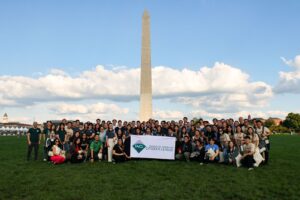
The illustrious city of Washington D.C. opened its doors for a weekend to remember as the #TACLfam gathered for our Fall Convention, hosted by TAP-DC. Our theme for this year centered around leadership and “TACLing You”. With such a diverse group of community members, leaders and advocates from across the country, we were able to gather for inspiring discussions, workshops and opportunities to connect.
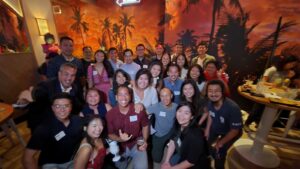
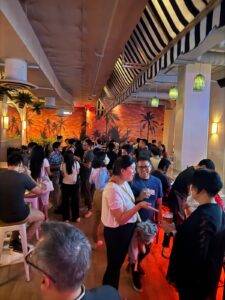
The convention kicked off on Friday hosted by TAP-DC with a record-breaking TAPpy Hour at the Royal Sands Bar in Navy Yard, drawing over 100 attendees! This vibrant gathering showcased the strength of the TACL community, with DC board alumni attending from as far back as 15 years ago. Participants enjoyed refreshments, shared stories, and forged new connections, which set a lively tone for the weekend ahead.
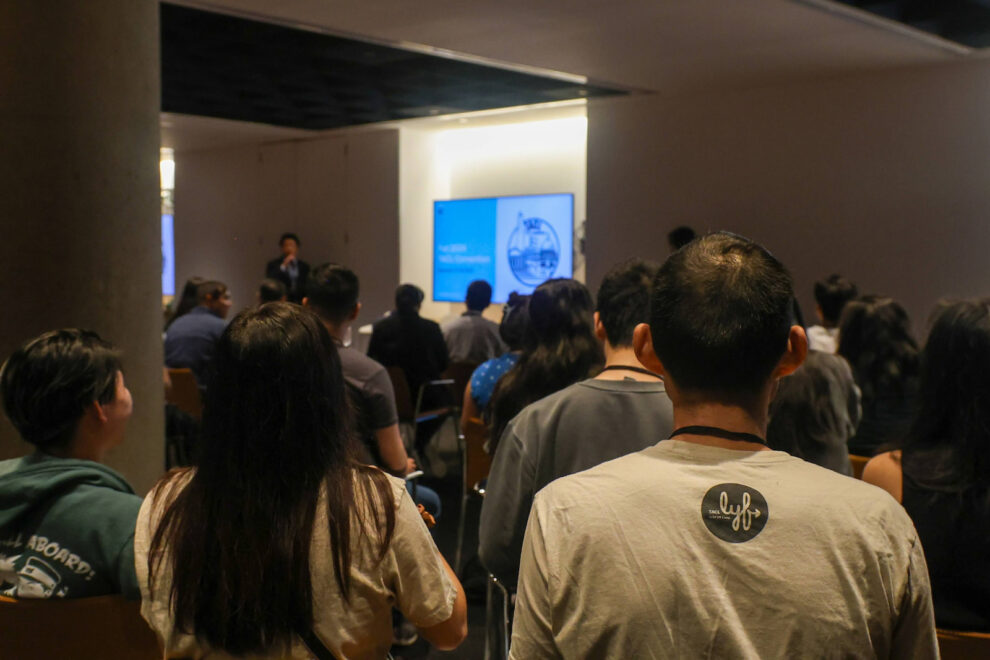
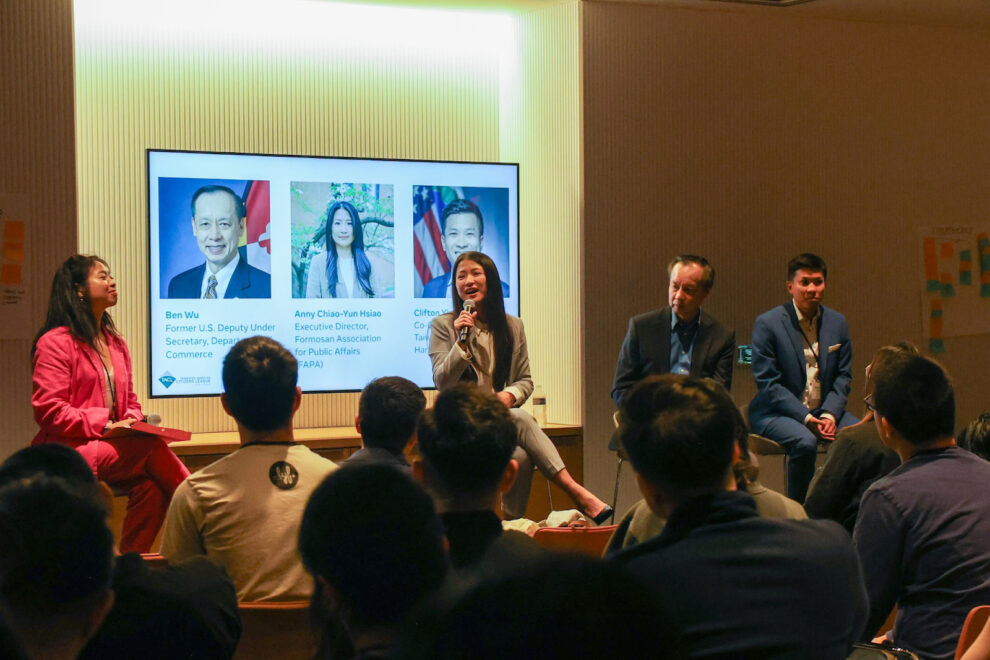
Our first day of programming was packed with engaging programming focused on leadership development, with a leadership workshop led by Amy Chin and an emotional intelligence workshop led by Jorinna Tran and Jeannie Shen. We also got to hear from amazing speaker panels starting off with a “Building Political Power” panel featuring: Anny Chiao-Yun Hsiao, Clifton Yin, Ben Wu and moderated by Angelina Liu. Following up we had a panel with AAPI leaders featuring: Ditas M. Katague, Chiling Tong, Stephen S. Kho and moderated by Peter Han.
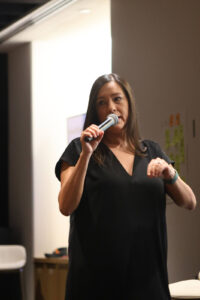
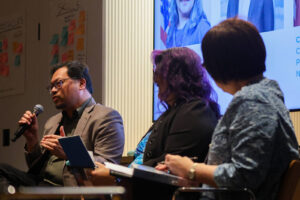
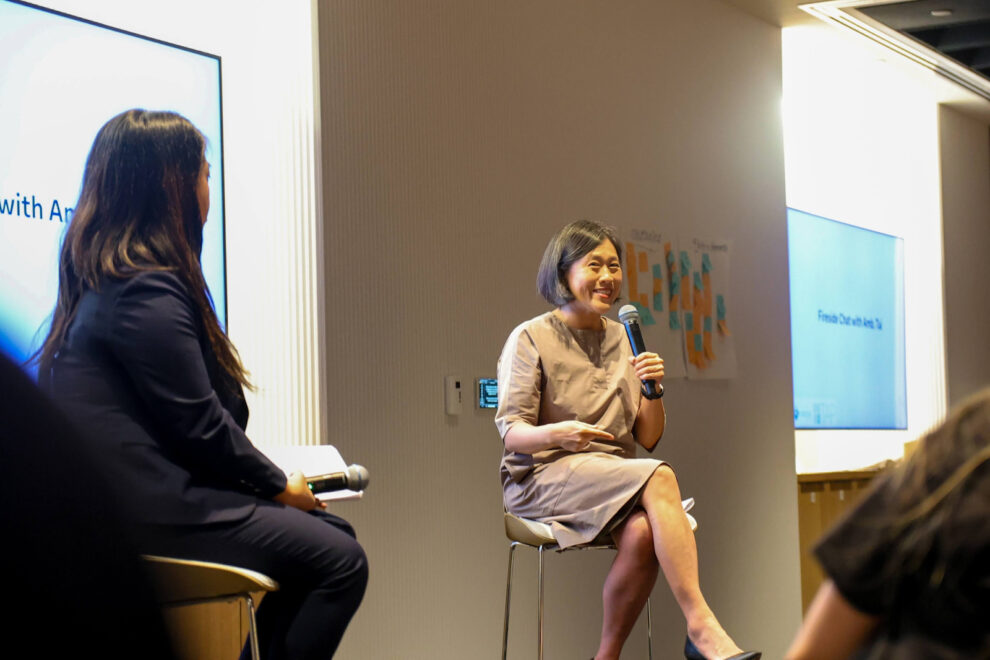
We were honored to welcome Ambassador Tai to our convention as a special guest speaker. Ambassador Tai serves on the president’s cabinet and is the principal trade advisor, negotiator, and spokesperson on U.S. trade policy. Her fireside chat was moderated by Phylicia Wu, where she shared the importance of having Asian American representation in politics and her experience being on the presidential cabinet. Attendees were inspired by her journey and insights on advocacy and leadership.
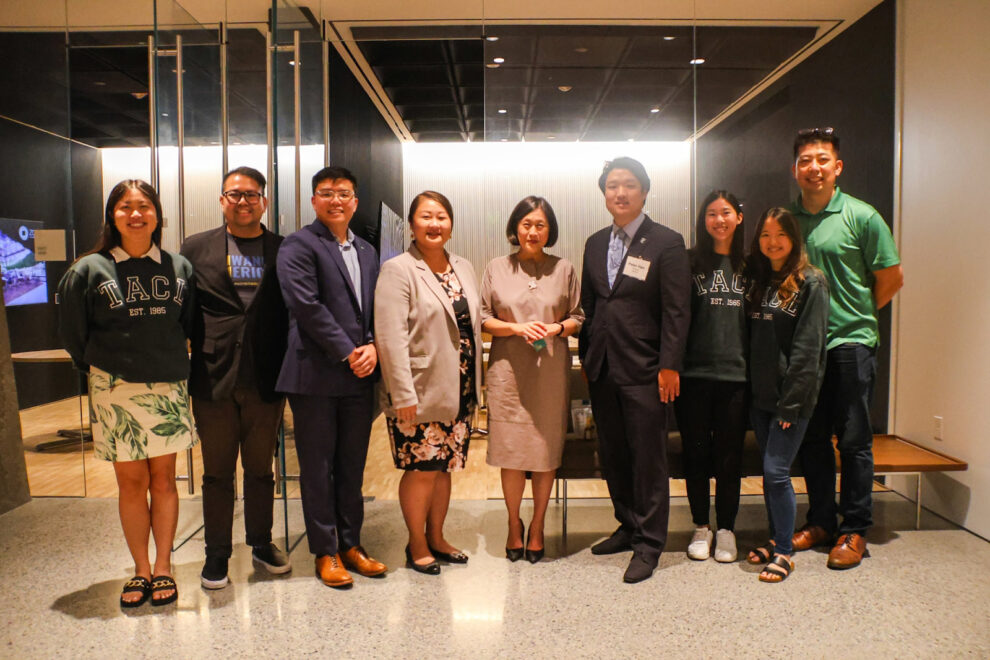
Saturday was wrapped up by splitting off and exploring the finest restaurants and sightseeing that DC has to offer.
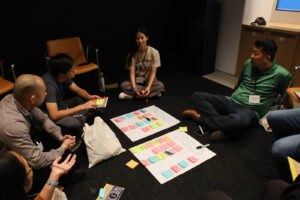
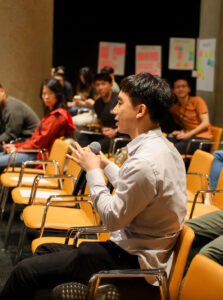
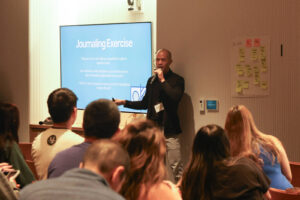
On Sunday we had a brief workshop on working with Volunteers that was facilitated by Wellington Tzou. Followed up by separate tracks for our Taiwanese American Professional, Youth Camp and Alumni attendees. Where they each tackled various methods to better serve their goals. Our sessions included GOTV and Case Studies workshops led by Kathryn Quintin and Wellington Tzou, discussions on how to better service campers facilitated by Joel Cheng and how to increase engagement amongst alumni with Belle Lee.
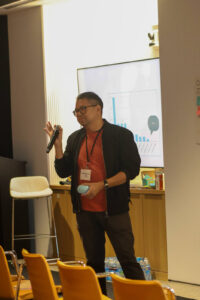
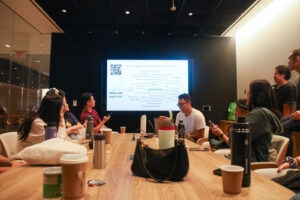
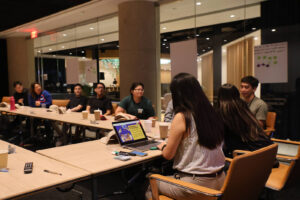
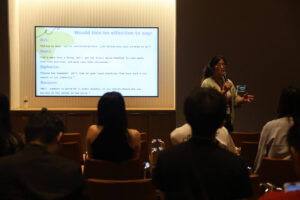
The group gathered back together for some dynamic best practices workshops where our community leaders shared skills and knowledge to improve community engagement and organizational growth. Such as grant writing, cultural festival planning and board recruitment.
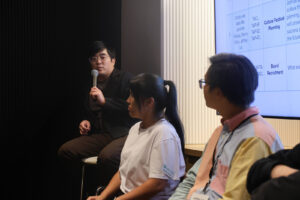
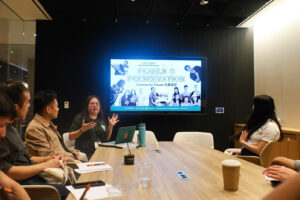
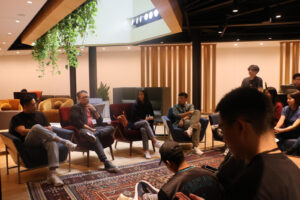
And in the blink of an eye, the convention came to an end. Not before we celebrated the weekend of learning and reconnecting with a banquet at Tony Cheng.
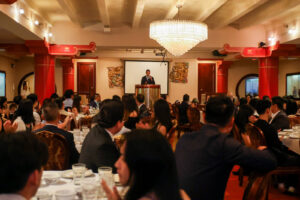
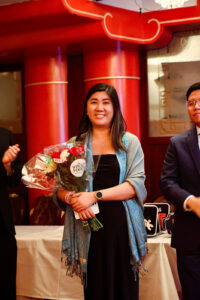
The TACL National Convention was not just an event; it was a gathering of passion, purpose, and potential. As we reflect on the weekend, we look forward to the continued growth of our community and the impactful work we will undertake together.
Thank you to everyone who participated and contributed to making this convention a memorable and meaningful experience. We can’t wait to see you next year as we celebrate the 40th anniversary of TACL! We will bring it back to where it all started– Greater Los Angeles! Join us for a weekend in Long Beach with the Anniversary Gala on April 6, 2025.
Last month, we made strides in supporting mental health within the Taiwanese American community by hosting our first event, “Dealing with Anger, Guilt, and Resentment.” Partnering with Anise Health, a provider of holistic mental health services for the Asian community, this virtual workshop addressed the complex emotions many community members face, especially those rooted in family dynamics.
Understanding that anger, guilt, and resentment often go unaddressed in our culture, we invited therapists Naomi Yu and Dr. Sean Cheng to share their insights and strategies for emotional well-being.
Here are 10 things we learned:
- Negative emotions aren’t inherently bad—they are important signals. Dr. Sean Cheng shared that it’s helpful to view these emotions as data points rather than simply as negative experiences. By tracking our emotional responses without judgment, similarly to how we monitor our physical health, we gain valuable insights into our reactions and behavior. Naomi Yu echoed this by explaining how these emotions often reflect an underlying issue: anger often emerges when our goals are obstructed, guilt arises from actions we perceive as wrong, and resentment can signal unmet needs or boundary violations. Understanding these signals allows us to address underlying issues more effectively and use our emotions to guide us towards healthier outcomes.
- Unpack the cultural expectations (also known as the “should’s) in order to better understand your needs and wants. Cultural influences heavily impact how we process and express emotions, particularly in collectivist societies where group harmony is often prioritized over individual expression. As Naomi Yu explained, many of us live according to “shoulds”—doing what we think we should do based on these ingrained cultural expectations. By acknowledging and challenging these cultural expectations, we can begin to shift towards a more balanced and authentic emotional expression. One way to do this is to challenge thought patterns and become more aware. Ask yourself: Where did I learn this? Where did this rule come from? What is this “should” about?
- Setting appropriate boundaries helps prevent compromising beyond your comfort level and stops unmet needs from turning into resentment. In the Taiwanese community, we often prioritize others’ needs, sometimes at the expense of our own. This works if others also look out for you, but when they don’t, it leads to unmet needs and eventual resentment. This culture of self-sacrifice can make prioritizing your needs feel selfish, even when it’s not. Dr. Sean Cheng suggests identifying your starting point (Point A) by asking yourself what you need and want. Without this clarity, you might end up starting at Point C, already compromising more than intended given the natural instinct of anticipating and meeting other people’s needs first.
- Shame is a barrier to self-compassion. Learn to disentangle your sense of self from feelings of shame by paying attention to how you talk to yourself. Within our community, shame often leads to self-criticism, making you feel worthless or undeserving of love. Mistakes happen, and it’s important to challenge the idea of being perfect or trying to be everything to everyone. One way to do this is by tracking in a journal how often you shame yourself each day over a few weeks, and work to separate your identity from these feelings of inadequacy. This helps encourage self-compassion, while gaining insight into your behavior and learning how to respond differently in the future.
- Seek out “Yes!” moments. Instead of following the “shoulds” dictated by family expectations or societal success, focus on those instances that truly resonate with your values—where you feel joyful and aligned. These moments are powerful indicators of what’s truly important in your life. Notice where they occur, whether it’s when you’re being creative, connecting with others, or engaging in activities that bring you genuine delight. Experiment with different experiences to discover where your “Yes!” moments happen. Similarly, paying attention to “No!” moments—times of discomfort or dissonance—can reveal when your boundaries are crossed or when your actions aren’t in sync with your true desires. These moments are just as valuable in understanding yourself and guiding your choices.
- Recognize default modes, but identify alternative choice points. In order to break free of the negative patterns, it’s important to recognize your default modes learned from your parents or societal expectation. From there, identify alternative choice points. You may end up choosing the same path, but your internal process may be different because of things you may be considering. And it’s helpful to slow down that automated process by saying, “Okay this was a default.” But the next time I’m encountering that situation, I have option A, B or C, and even with that I can say that that’s progress. Even if you end up with the same outcome, if your process to get there is filled with a lot more compassion, a lot more intentionality, a lot more mindfulness or self care, then you’re already breaking that cycle of negative learned patterns.
- It’s important to acknowledge and validate your feelings, including anger toward your parents for imperfect or maladaptive parenting. As Naomi explains, the first step in healing is grieving—giving yourself permission to feel emotions like “My needs weren’t met,” “My parents weren’t emotionally available,” or “I didn’t deserve this treatment.” It’s okay to feel angry. Once you’ve allowed space for these feelings, you can begin to heal and move forward. Later on, if you can find compassion for your parents, it’s a positive sign of healing. You might think, “They let me down, but they did the best they could with what they knew, even if it wasn’t enough.” When you can hold everyone involved with compassion, it helps you come to terms with who they are, empowering you to decide what kind of relationship you want with your parents moving forward.
- Navigating conflict is like leveling up in a game—you start with the basics and gradually take on tougher challenges. Dr. Sean Cheng uses the analogy of fighting small moblins in the forest with a wooden sword. These early battles represent smaller, less emotionally charged conflicts, where you can practice and develop your conflict resolution skills. As you gain experience and tools in communication, you become better equipped to face the “mega bosses”—the deeper, more complex conflicts, like longstanding issues with parents, with greater confidence and ability.
- Use calming techniques to cope better with intense feelings in the moment. During emotional escalation, the part of the brain that manages impulse control can temporarily “go offline.” By focusing on lengthening your exhale, you can activate your parasympathetic nervous system—the “rest and digest” system—helping you physically slow down and bring your brain back online. This technique can help you stay grounded and manage intense feelings more effectively.
- We shouldn’t wait for a crisis to address our mental health, just as we wouldn’t wait for a heart attack to start exercising. Many in the Asian community, including Taiwanese individuals, often view mental health through a pathological lens, associating therapy with something only needed in severe cases. However, everyone can benefit from therapy, self-care, and self-compassion, regardless of the situation. By challenging internalized stigmas and normalizing conversations about mental health, we can create a more supportive environment.
Interested in learning more about mental health topics? Visit Anise Health, explore TACL’s mental health resources, or reach out to us at wellness@tacl.org